San Blas and the Durango Highway Trip Report -
the
following is a composite of our fantastic 2000 - 2024 trips.
Perhaps the most memorable feature of my west Mexico trip
is that it somehow seems to highlight my good fortune at being able to share the
natural wonders of the world with consistently great groups.
This wonderful trip begins on the Durango
Highway, where we're treated to three nights of fine hospitality in the
charming town of Copala, a quiet rural town where we usually have the hotel and restaurant
to ourselves. Walks around this bird-rich town have always included close-up scope views of military
macaws feeding on the fruits of cannonball trees, and occasionally we're fortunate to have
the large fig in front of the hotel in full fruit with a parade of birds passing
through. Birds around town include rufous-backed robin, scrub and elegant euphonias (called euphorias by some
onlookers), yellow grosbeak, streak-backed and black-vented orioles, grayish saltator,
orange-fronted parakeet, Mexican parrotlet, thick-billed kingbird, painted and
varied buntings, Sinaloa and happy wrens, rusty-crowned ground-sparrow, black-ca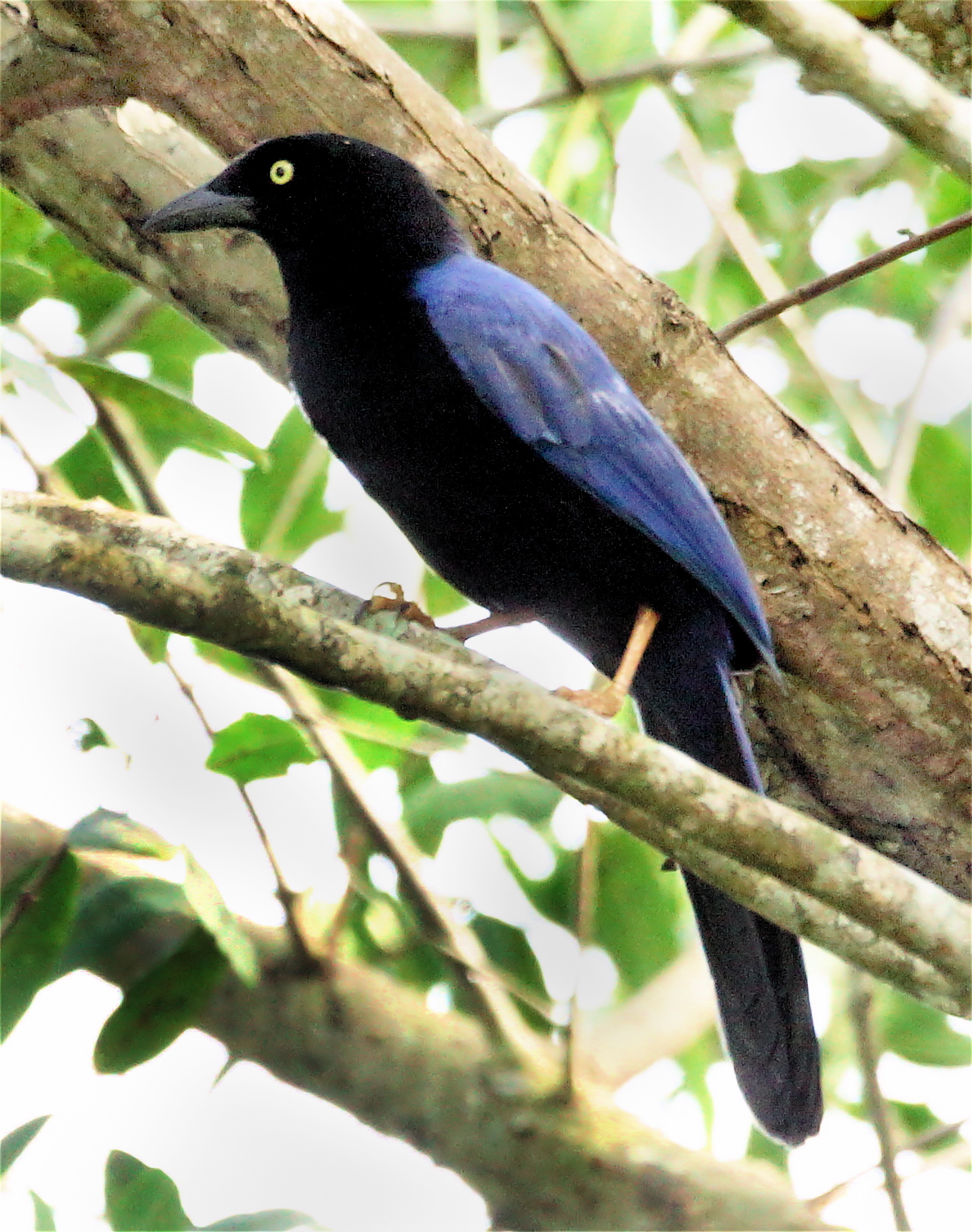 pped
vireo, and orange-billed nightingale thrush to name a few.
In addition to the fig is a wonderful guamuchil tree, a daily magnet for
birds (and birders) situated right at the hotel's front door. In the dry
winter months, a species of mistletoe around town often has fruits which attract
both elegant and scrub euphonias as well as blue mockingbird. though it's
undoubtedly not the same bird, there has been a territorial male yellow warbler
in the same Guamuchil since 1999 ! It's not
unusual in our morning outing in the village to find over 70 species of
birds.
pped
vireo, and orange-billed nightingale thrush to name a few.
In addition to the fig is a wonderful guamuchil tree, a daily magnet for
birds (and birders) situated right at the hotel's front door. In the dry
winter months, a species of mistletoe around town often has fruits which attract
both elegant and scrub euphonias as well as blue mockingbird. though it's
undoubtedly not the same bird, there has been a territorial male yellow warbler
in the same Guamuchil since 1999 ! It's not
unusual in our morning outing in the village to find over 70 species of
birds.
From Copala, we cross the highway to the
always exciting tropical deciduous forest on Panuco Road.
Yellow-winged caciques and black-throated magpie jays are plentiful and noisy,
with their
bright colors accentuated by the equally bright Combretum flowers on which
they often feed. Elegant and
citreoline trogons, blue mockingbird, black-capped and golden vireos, rusty-crowned ground sparrow,
Colima pygmy owl, fan-tailed and rufous-capped
warblers, grey silky flycatcher, golden-crowned emerald, and blue bunting are
some of the most attractive birds seen regularly in the forest here.
Less regularly seen are the spectacular red-breasted chat as well as
five-striped sparrow. As mornings
warm, butterflies - including malachite, white and
yellow angled sulphurs, dirce beauty, fritillaries, banded and white
peacocks, zebra longwing, julia, longtail skippers,
and crackers - come alive as do swifts, including white-naped (the largest
swift on Earth) and chestnut-collared.
At night and early in the morning, mottled, ferruginous pygmy, Colima
pygmy, and
vermiculated screech owls can be heard and sometimes seen in the area.
Further up the Durango Highway, our walks through the pines, oaks, alders,
madrones, and firs
of the Sierra Madre are memorable for the highly endemic and gorgeous tufted jays, mountain trogon, red warbler,
red-headed tanager (you have to see them to believe them), rufous-capped and green-striped
brushfinches, white-striped woodcreeper, crescent-chested and golden-browed warblers,
white-throated thrush, russet nightingale thrush, Aztec thrush,
gray-collared becard, and many
others. We also see and learn about madrone
caterpillars (one of the most unique lepidopterans in the world), swaths of flowering salvias,
and blooming bromeliads. A Psitticanthus mistletoe, when in flower,
attracts white-eared and magnificent hummingbirds and Scott’s oriole.
Another species of mistletoe has the small fruits that are irresistible to
elegant euphonias which we'v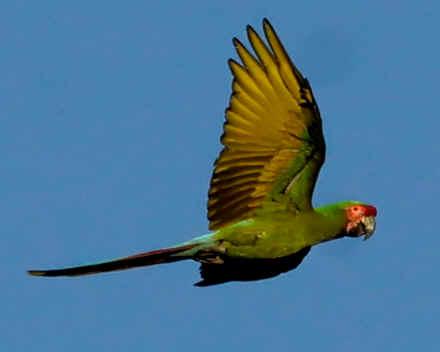 e seen many times here. A small spring along
the trail sometimes has a small salamander, perhaps the Tarahumara salamander. Though our days on the Durango Highway
have all been unforgettable, nature, just
for good measure, occasionally throws in something like a stunning five-foot boa constrictor right in the
middle of the highway. They
say timing is everything, and, when we found this snake many years ago, it certainly was, as we were able to handle,
photograph, release, and rescue the boa from becoming snake pizza.
e seen many times here. A small spring along
the trail sometimes has a small salamander, perhaps the Tarahumara salamander. Though our days on the Durango Highway
have all been unforgettable, nature, just
for good measure, occasionally throws in something like a stunning five-foot boa constrictor right in the
middle of the highway. They
say timing is everything, and, when we found this snake many years ago, it certainly was, as we were able to handle,
photograph, release, and rescue the boa from becoming snake pizza.
We spend five days in the San Blas area
and enjoy a variety of
habitats including evergreen tropical forest, a shade-grown coffee plantation, riverine forest,
pine-oak forest, and mangrove swamp. In addition to
outstanding birds on Singayta
Rd., the sewage ponds road, La Tovara, Tecuitata, and in the Cerro de San Juan, we're
often treated to other wildlife as well.
Green and spiny-tailed iguanas, heliconid butterflies ovipositing on
passionvine, myrmecophytic acacias with stinging Pseudomyrmex ants, fruiting figs and
cecropias, indigo and whip snakes, greater fishing bats (Noctilio leporinus), leafcutter
ants, arboreal termites, and more provide many a nature lesson. In
the San Blas area, we usually have excellent views of russet-crowned motmot, boat-billed
flycatcher, San Blas and purplish-backed jays, masked tityra, rose-throated becard, ivory-billed
woodcreeper, greenish elaenia, rosy-thrush tanager, elegant quail. and pale-billed, lineated,
and golden-cheeked woodpeckers to name just a few of the wonderful birds. Others
that aren't seen as frequently include sparkling-tailed woodstar, red-crowned
ant-tanager, gray-crowned woodpecker, bat falcon, black hawk-eagle, and collared forest falcon.
In addition to peaceful tropical scenery
and lushness, our boat trip up the Rio San Cristobal has been memorable for
mangrove warbler, mangrove vireo, mangrove cuckoo, limpkin, snail kite, black-bellied and
fulvous whistling ducks, up to 13 species of raptors, and the beautiful but
elusive rufous-necked wood-rail. On the magical
La Tovara boat trip, one of my all-time favorite nature outings, we've enjoyed
ringed kingfisher, least grebe, crane hawk, boat-billed heron, bare-throated tiger
heron, pauraque, rufous-bellied chachalaca, short-eared owl, buff-collared nightjar,
up to a dozen northern potoos, greater
fishing bat, coatis, racoons, and a few very large American crocodiles.
Once on this trip, as we were passing through a
“tunnel” of red mangrove, an ocelot crossed over and in front of the boat
along an arch of mangrove branches. There
was stunned silence for a moment as we tried to digest
the rare sighting of this tropical cat. 
Up in the Cerro de San Juan, a
rather isolated massif where pines and oaks cover the summits and shade-grown coffee dominates the
lower slopes, there are
possibilities to find birds not found in the other areas we visit. Within
this refreshingly cool climate, we've seen green jay, elegant euphonia, Mexican
woodnypmh (endemic to the area), bumblebee hummingbird, olivaceous woodcreeper,
black-capped and golden vireos, spotted wren, sparkling-tailed woodstar, flame-colored tanager,
Colima warbler, lesser roadrunner, golden-crowned warbler, Audubon's (Dickey's)
oriole, and many
other species. Recent trip highlights were a Stygian owl on its day roost
and a perched double-toothed kite.
In addition to great birds and flora,
we've had some luck with mammals including the above-mentioned ocelot, as well
as aguarundi, coatimundi, coyote, eastern cottontail, greater fishing bat,
raccoon, Apache fox and Collie's squirrels, opossum, and gray fox.
While in San Blas, we stay at the Hotel
Garza Canela where the hospitality and first calss service of the Vasquez family must be experienced to
be believed. Arriving at their excellent hotel always feels like coming
home, not only for me, but also for trip participants who've never even been
there.
A superb highlight is always a visit to the village of
Tecuitata, where Daniel Fourwinds and the staff of Capulin Coffee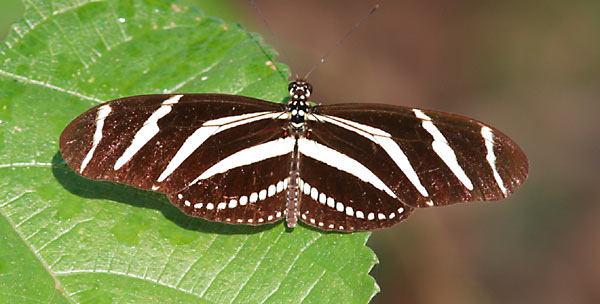 give us
insight into the coffee industry and its potential for sustainable communities and
forests. They also prepare a to-die-for
lunch with an amazing view of their drying patio and the surrounding
mountains. We see first hand how
their coffee is uniquely harvested, hand sorted, and traditionally dried on a beautiful
drying patio. The intensive hand labor involved provides much needed employment
and income to
local villagers and results in a higher quality product than that produced by
the corporate method of processing with water and fermentation (which provides
much less employment and income for locals). If you drink coffee and care about healthy tropical
habitats and the people that live in them, then check out capulin.com to
learn more and to support the finest coffee project I know of !!
give us
insight into the coffee industry and its potential for sustainable communities and
forests. They also prepare a to-die-for
lunch with an amazing view of their drying patio and the surrounding
mountains. We see first hand how
their coffee is uniquely harvested, hand sorted, and traditionally dried on a beautiful
drying patio. The intensive hand labor involved provides much needed employment
and income to
local villagers and results in a higher quality product than that produced by
the corporate method of processing with water and fermentation (which provides
much less employment and income for locals). If you drink coffee and care about healthy tropical
habitats and the people that live in them, then check out capulin.com to
learn more and to support the finest coffee project I know of !!
The Durango Highway and San Blas have it
all - great weather and scenery, unique lodging with warm hospitality, wonderful
food, easy travel, and an abundance and diversity of birds that's hard to beat.
I've been traveling here for 25 years, and it remains a perennial favorite.
Photos:
Military macaw and zebra longwing by Jeremy Stein.
San Blas jay and mangrove swallowby Jerry Johnson


